
Before the Inspection
- Review the Permit & SWPPP
- Make sure you understand the project’s Construction General Permit (CGP) requirements.
- Review the Stormwater Pollution Prevention Plan (SWPPP) ahead of time so you know what BMPs (Best Management Practices) should be in place.
- Check Recent Rainfall & Forecasts
- Stormwater controls are often stressed right after rain. Knowing rainfall totals helps prioritize inspections.
- Bring the Right Tools
- Clipboard/tablet, camera (with date stamp), measuring tape, PPE, turbidity test kits (if required), and checklists for consistency.
During the Inspection
- Start at the Site Entrance
- Look for track-out controls (stabilized construction entrance, street sweeping). Excessive sediment leaving the site is one of the most common violations.
- Follow the Flow of Water
- Walk the site as water would flow—from high ground to discharge points. This helps identify missing or failing BMPs.
- Focus on Critical BMPs
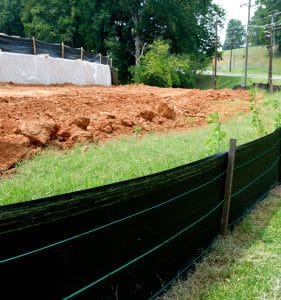
- Perimeter controls: silt fence, wattles, berms.
- Inlet protection: storm drains and curb inlets.
- Sediment basins/traps: sized and maintained properly.
- Erosion controls: seeding, mulching, matting on disturbed slopes.
- Check Material & Waste Management
- Inspect concrete washout areas, fuel/chemical storage, trash containment, and staging areas. These are frequent problem spots.
- Look for Evidence of Discharge
- Sediment leaving the site, turbid water at outfalls, or stained downstream areas can be signs of non-compliance.
- Document Everything Clearly
- Take wide-angle photos (to show context) and close-ups (to show details).
- Use consistent language in notes—this helps if enforcement becomes necessary.

After the Inspection
- Provide Clear, Constructive Feedback
- Point out good practices as well as deficiencies.
- Be specific in citations—reference the permit section or SWPPP requirement.
- Set Realistic Timelines for Corrections
- Some fixes (e.g., re-seeding) may require more time, but others (repairing silt fence, sweeping track-out) should be immediate.
- Follow Up Consistently
- Reinspect to ensure corrections were made. Document both the problem and the resolution.
Pro-Level Tips
- Stay Consistent: Use the same checklist for every inspection to avoid missing details.
- Build Relationships: A cooperative approach with site superintendents usually results in better compliance than a confrontational one.
- Know Enforcement Tools: Be clear on when to escalate—verbal warnings, written notices, fines, or stop-work orders.
- Keep Learning: Regulations, BMPs, and construction methods evolve—continuing education makes you more effective.