
An Industrial Spill Prevention, Countermeasure, and Control (SPCC) program is all about protecting water, soil, and air from accidental discharges of oil, fuel, or hazardous substances. It’s typically required under EPA regulations (40 CFR Part 112) for facilities that store certain volumes of oil, but the best practices also apply more broadly to spill prevention programs.
1. Prevention (Stop spills before they happen)
- Conduct a risk assessment – Identify tanks, drums, piping, transfer areas, and vehicle fueling/loading zones where spills are most likely.
- Secondary containment – Use dikes, berms, double-walled tanks, spill pallets, or curbing around containers to prevent releases from spreading.
- Tank and equipment integrity – Inspect tanks, drums, valves, hoses, pumps, and piping routinely; repair or replace damaged parts.
- Good housekeeping – Keep storage areas clean, uncluttered, and free of leaks and debris that can hide problems.
- Segregation of materials – Store incompatible chemicals separately to prevent dangerous reactions if a spill occurs.
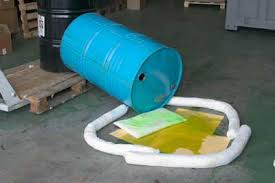
2. Countermeasures (Control spills quickly if they occur)
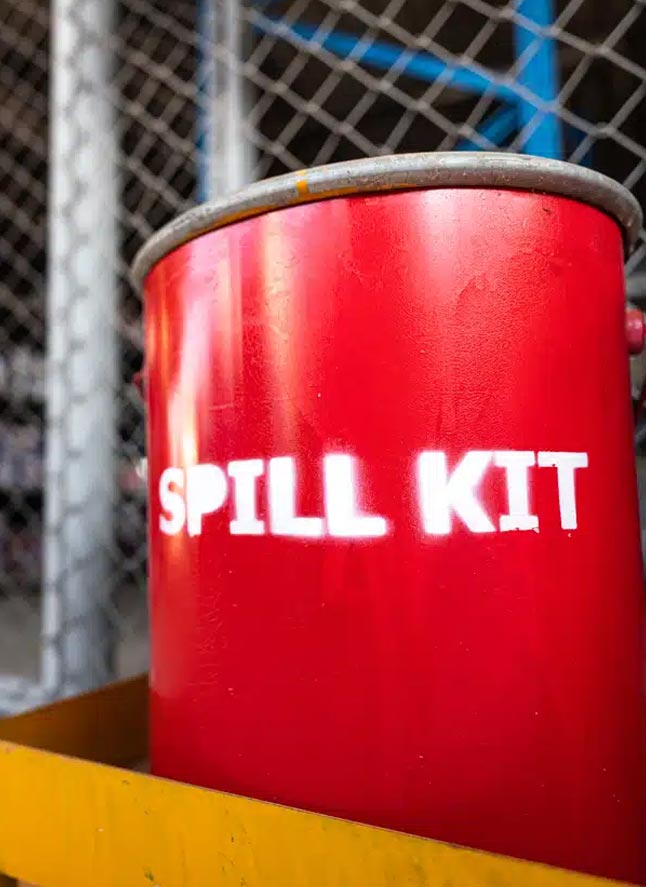
- Spill kits – Place absorbents, neutralizers, booms, and PPE in accessible locations near high-risk areas.
- Drain protection – Install covers, plugs, or shutoff valves for storm drains to prevent contamination of waterways.
- Emergency shutoffs – Ensure employees know how to quickly stop pumps, valves, and equipment if a release starts.
- Clear labeling – Label tanks, pipes, and valves to avoid transfer errors and improve response speed.
3. Control & Response (Limit environmental damage if a spill happens)
- Written spill response procedures – Step-by-step instructions for immediate containment, notification, cleanup, and disposal.
- Employee training – Regularly train staff on how to prevent, recognize, and respond to spills (including hands-on drills).
- Emergency contacts – Maintain an updated list of internal contacts, spill response contractors, and regulatory agencies.
- Documentation – Keep detailed spill logs, inspection records, and training attendance for compliance and improvement.
- Waste management – Ensure recovered material and contaminated absorbents are disposed of properly as hazardous waste if required.

4. Program Management
- Management approval – Your plan must be reviewed and signed by senior leadership to ensure commitment.
- Professional Engineer (PE) certification – If required by EPA thresholds, a PE must review and certify the SPCC plan.
- Regular review – Update your plan at least every 5 years, or sooner if processes, equipment, or regulations change.
- Audits and drills – Test your program with mock spill scenarios and adjust based on lessons learned.
An effective SPCC program blends engineering controls (containment & equipment integrity), administrative controls (policies, inspections, training), and emergency response readiness (spill kits, procedures, drills).