
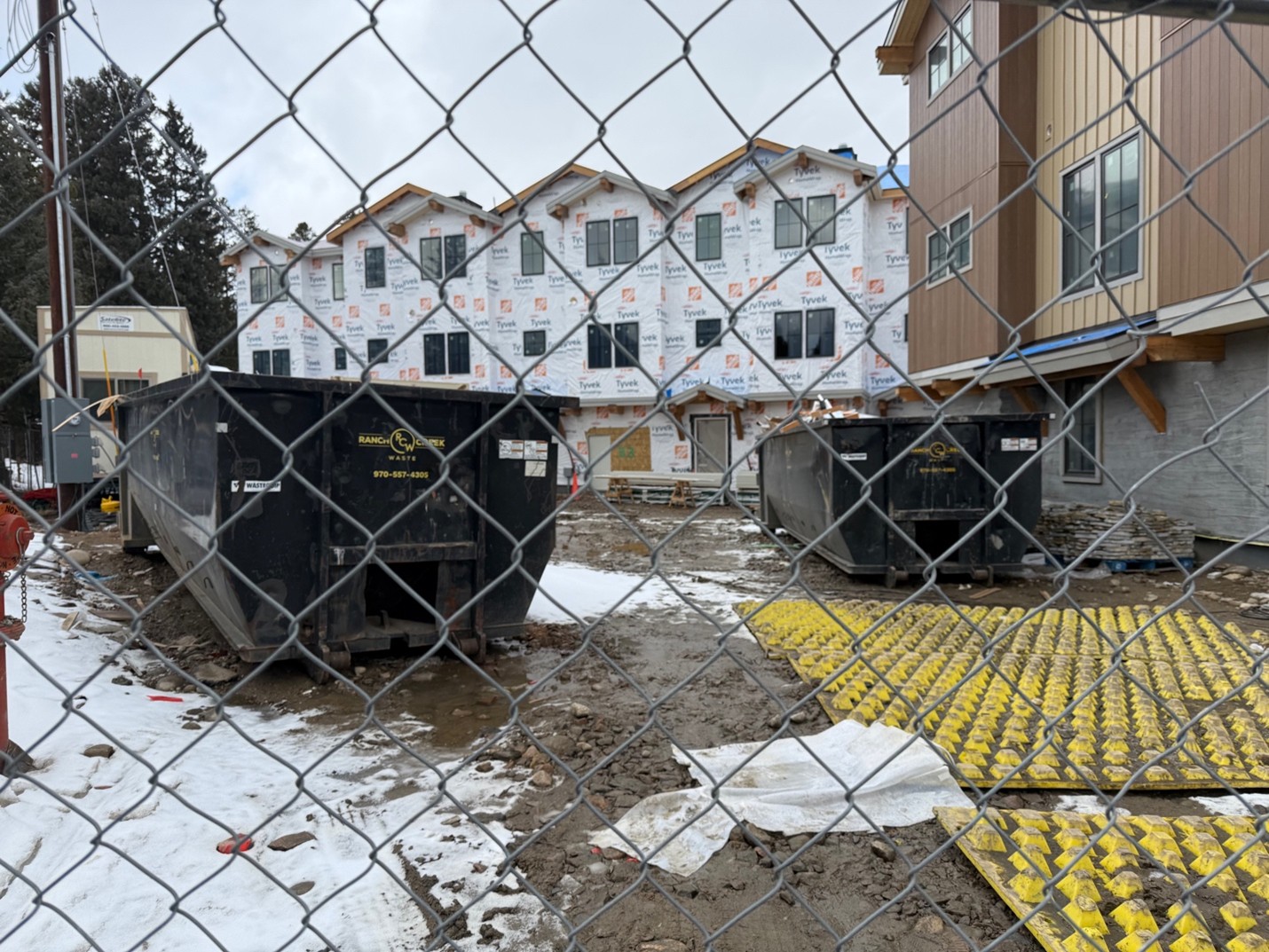
Based on the site conditions visible in the photographs, the project is experiencing elevated winter stormwater compliance risk driven primarily by freeze–thaw dynamics, exposed soils, and incomplete discharge point protection. Snowpack combined with daytime thaw conditions is creating saturated, low-infiltration soil surfaces that are highly vulnerable to sediment mobilization. Muddy travel paths and incomplete stabilization at the construction entrance are contributing to sediment tracking toward the public right-of-way, with visible deposition along the curb line. Because sediment transport during winter most often occurs during thaw events rather than active snowfall, the likelihood of continued off-site migration is high unless corrective measures are implemented.
The most critical compliance concern is the unprotected curb inlet receiving runoff from the site. In the absence of inlet protection, snowmelt carrying suspended sediment can discharge directly into the MS4, creating a high-probability, high-impact violation scenario under a Construction General Permit. This condition substantially increases regulatory exposure because it represents a direct conveyance pathway rather than a perimeter containment deficiency. Immediate installation of gravel bag berms or approved curb inlet protection devices—designed to prevent sediment entry while maintaining hydraulic capacity and preventing ice-related flooding—is warranted.
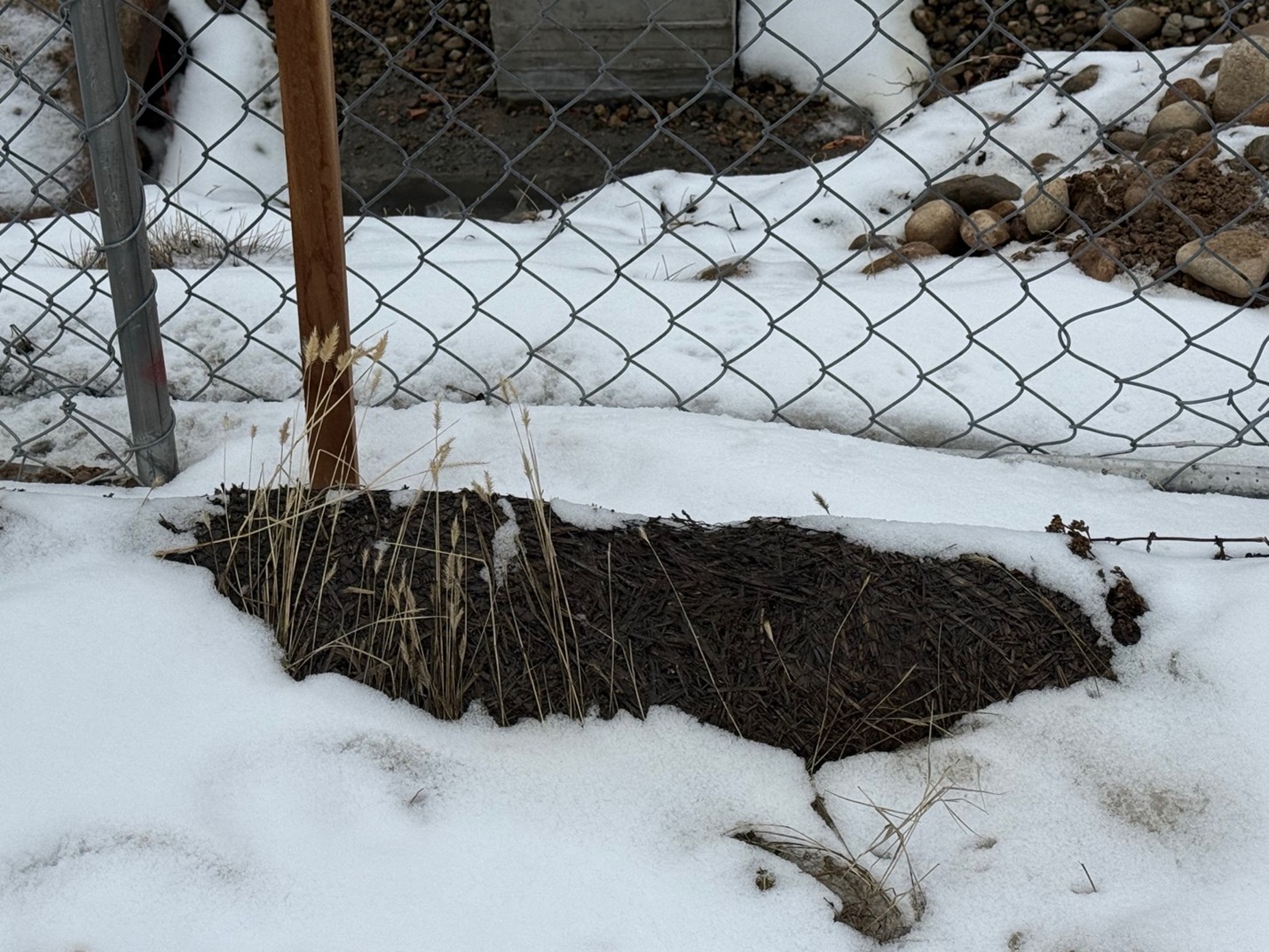
Perimeter sediment controls appear partially buried or compromised by frozen ground conditions, reducing anchorage effectiveness and limiting their performance during thaw-driven runoff events. Winter installations are especially vulnerable where controls were placed after soils froze, as proper trenching and key-in may not have been achieved. Reinforcement with double-row wattles, compost berms, or properly keyed silt fence prior to additional freeze cycles would reduce failure probability. In addition, snow storage areas appear adjacent to disturbed soils without defined meltwater flow management, increasing the risk that concentrated meltwater will bypass controls and transport fine sediments.
Housekeeping and materials management also present moderate compliance risk. Dumpsters staged on disturbed, muddy soils without stabilized pads or secondary containment increase the potential for leachate and sediment mixing during melt conditions. While not as immediately critical as direct inlet discharge risk, this condition could result in documented deficiencies during inspection. Placement of dumpsters on stabilized aggregate pads and ensuring lids remain closed during precipitation events would reduce exposure.
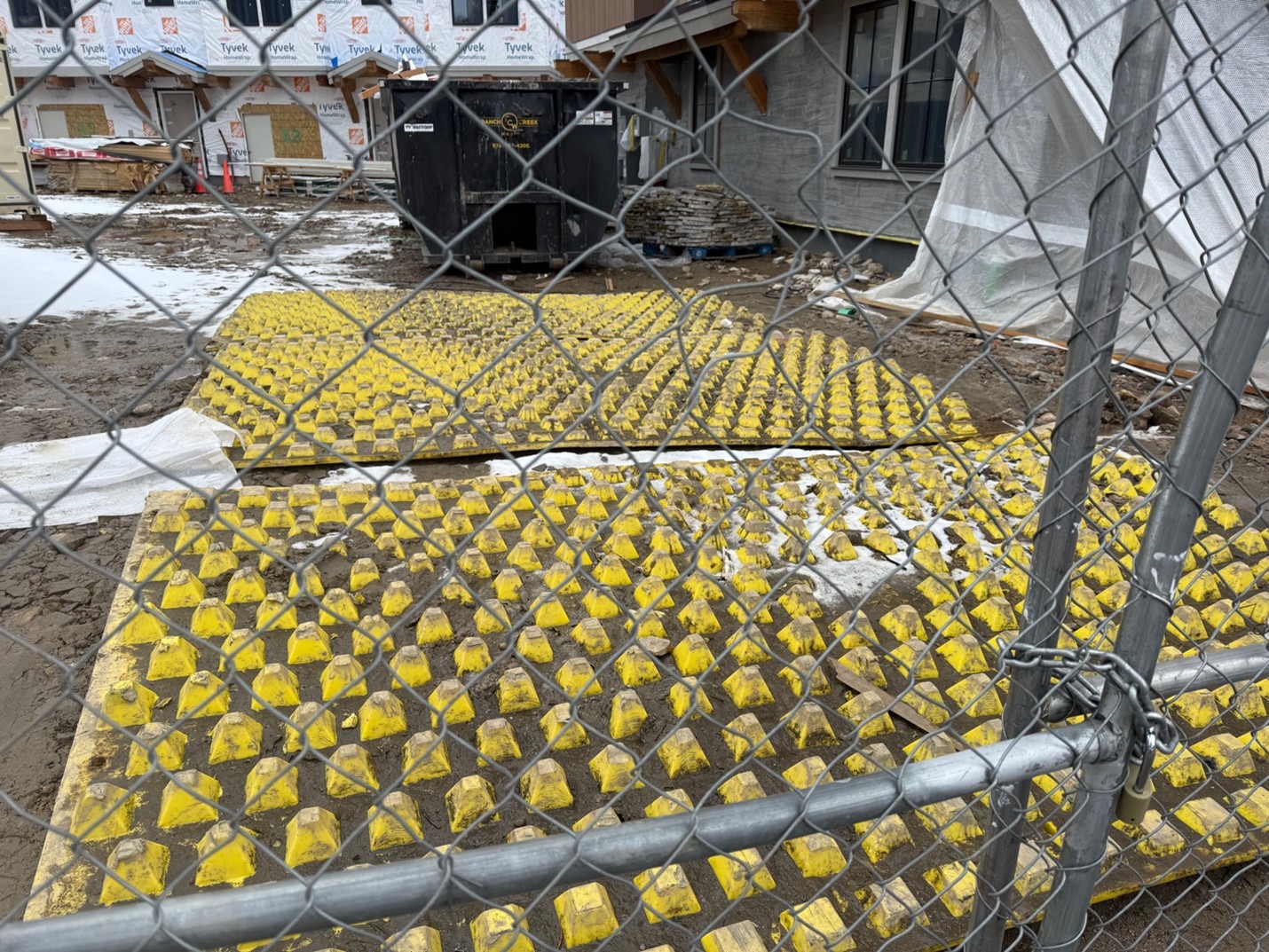
Finally, large areas of unstabilized disturbed soil remain susceptible to erosion. Vegetative establishment is unlikely during winter conditions, and infiltration is reduced in frozen or compacted soils. Without temporary stabilization measures such as hydraulic mulch with tackifier, erosion control blankets, or dormant seeding (where seasonally appropriate), the site remains highly vulnerable to sediment loss during rapid temperature swings. Given the combination of exposed soils, melt-driven runoff pathways, and direct MS4 connectivity, the overall winter risk profile for the site is elevated, with the highest-priority corrective actions being inlet protection installation, enhanced construction entrance stabilization, public roadway sweeping during thaw cycles, reinforcement of perimeter controls, and temporary soil stabilization before the next freeze–thaw event.